
 Retirement doesn’t have to mean slowing down. For plenty of people, it’s the perfect time to try something new, share your life experience, or even build a thriving homebased business. Whether you’re after a little extra pocket money, want to keep your mind sharp, or hope to stay socially active, running a business from home in retirement can be really rewarding and satisfying.
Getting a home business going doesn’t always require a big investment or fancy skills. The main thing is to pick something you genuinely enjoy that fits your lifestyle and offers flexibility. Below, I’ve pulled together some top home business ideas that are great for retirees, and added advice on how to get started so you can make it work for you.
Deciding What Business Fits You Best
Finding the right business starts with a little self-reflection. Think about what you like doing most, the skills you’ve built up over your career, and how much time or money you’re willing to put in. Sometimes the best ideas mix your hobbies with a chance to help others or solve a real need in your community.
Questions to Ask Yourself:
- What hobbies or skills do I want to spend more time on?
- Do I want to work solo, or connect with people in my community?
- How much money do I want to make each month?
- Am I comfortable learning new tech or ways of marketing?
- How many hours per week would suit my lifestyle now?
If something stands out right away, that’s awesome! If not, no problem—start small or even try out a couple of ideas. There’s no need to rush at this point. The real aim is to pick a business you’ll feel good about doing, not just something that turns a profit.
Popular Home Business Ideas for Retirees
Certain home businesses naturally suit retirees because they’re flexible, don’t need lots of physical effort, and usually have pretty low startup costs. Here are several tried and true options, each with quick info to help you get a feel for what’s involved.
1. Consulting or Coaching
If you’ve got decades of professional expertise under your belt, consider consulting in your old field. Retirees often guide small businesses, help young professionals get their start, or even speak at virtual events. Life coaching is another hit, using your own experience to help others move forward.
- Pick a focused niche (finance, HR, writing, strategy, etc.) to stand out in the crowd.
- Look at signing up for freelance sites like Upwork, or advertise on LinkedIn or within local business circles.
2. Handmade Crafts and Art
If you’re creative—maybe you love painting, knitting, woodworking, or making jewelry—selling handmade crafts online can be both relaxing and profitable at any age. Sites like Etsy, eBay, or Facebook Marketplace are packed with buyers looking for something special.
- Stick with quality and personal touches. Shoppers like hearing the story behind handmade items.
- Craft fairs and local boutiques can be good places for in-person sales.
3. Online Tutoring or Teaching
Many retirees get into online tutoring for subjects such as English, math, or music. If you’re more comfortable leading groups, running live virtual workshops or webinars on a favorite topic can also be a lot of fun.
- Check out platforms like VIPKid, Chegg Tutors, or set up your own classes using Zoom or Google Meet.
- Academic subjects, music classes, or even life skills (like cooking, budgeting, or basic tech) are all in demand.
4. Pet Services
Pett sitting, dog walking, or even starting a pet grooming booth at home gives you gentle exercise and an outlet for animal lovers. Lots of people with busy schedules are looking for reliable help with their beloved pets.
- Begin with neighbors and friends, or join networks like Rover or Care.com to find clients and build trust.
5. Reselling and Upcycling
Taking old items and making them new again, or picking up bargains at yard sales to resell, can be both rewarding and profitable. Reselling is great for retirees who enjoy hunting for treasures, restoring antiques, or flipping furniture.
- Platforms like eBay, Poshmark, and Facebook Marketplace make it easy to move everything from vintage finds to repurposed goods.
- Start with things around the house, then reinvest profits into new inventory to flip or upcycle.
Building Your Home Workspace and Routine
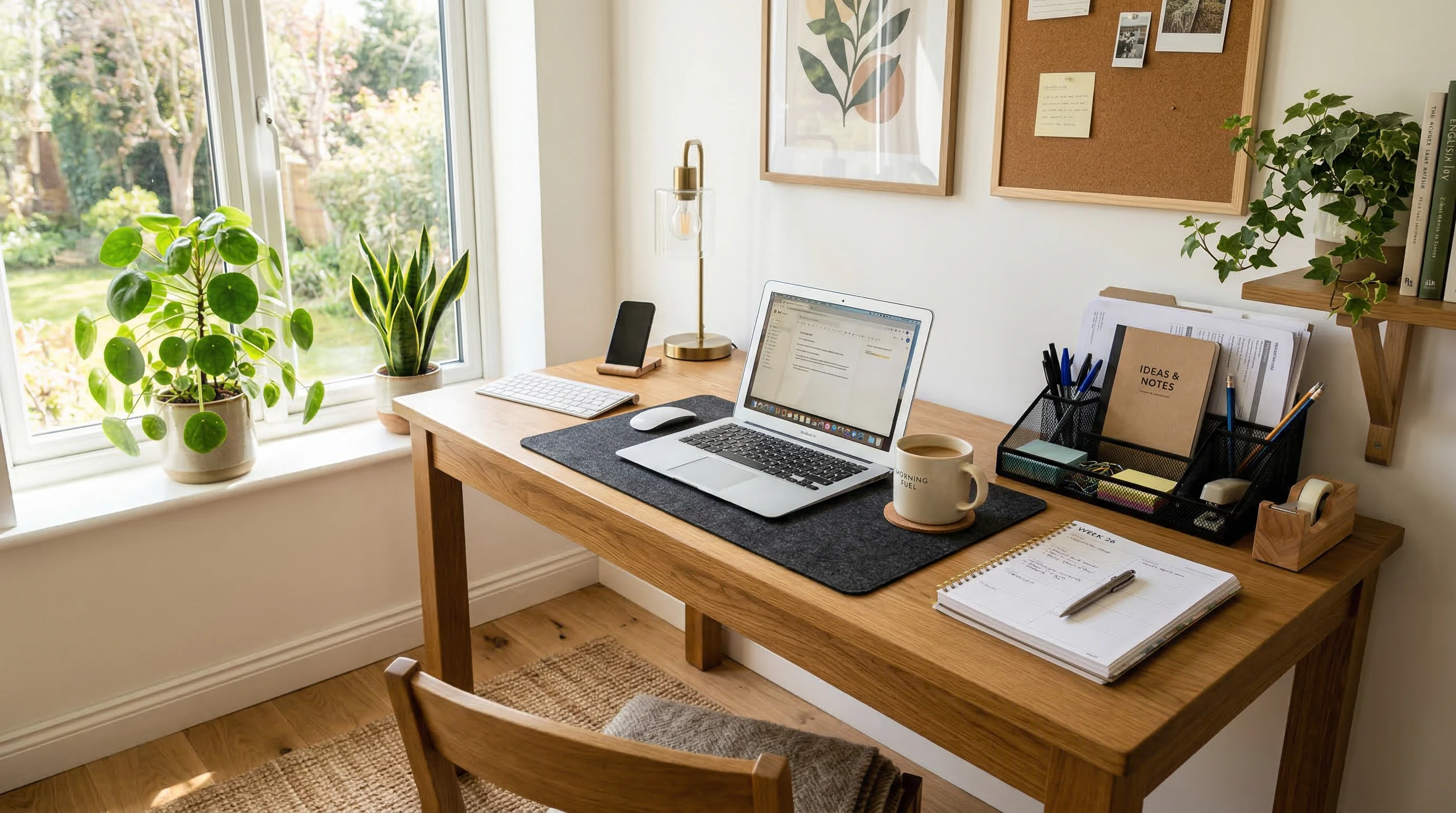
Having a dedicated workspace makes business life much smoother. Even if it’s just a clean table or a quiet corner of a spare room, it helps to keep your area organized. Make sure your space is comfortable, well lit, and free from unnecessary clutter. If you work with paint or glue, some shelves and a drop cloth can keep things tidy.
- Keep supplies close to reduce stress and wasted time.
- A cozy chair and good natural light will help you stay comfy during work sessions.
Try to stick to some kind of daily routine. Some retirees prefer set hours (like 9 to noon), others just work a few afternoons a week. The secret is to create a steady rhythm—things like checking emails, sending invoices, or making calls at regular times will keep you on track.
Marketing and Growing Your Home Business
Getting the word out about your new venture doesn’t have to be intimidating or expensive. Most popular marketing today happens online, but classic word of mouth is still very effective.
Simple Ways to Promote Your Business:
- Create a simple website or Facebook page to work as your online presence.
- Share photos, testimonials, and stories that show your products, services, or happy clients.
- Ask friends, family, and former colleagues to help spread the word.
- Sign up for relevant online directories or marketplace sites matching your services or products.
Consistency really matters here. Even just a couple of posts each week or sending out a simple email newsletter keeps your business top of mind. If you’d like some outside advice, Small Business Development Centers (SBDCs) offer guidance for free.
Common Questions and Quick Tips
Do I need special permits or insurance?
Some homebased businesses require special permits or licenses, depending on where you live and your type of work. Check in with your local government to see what might be needed. Many home service businesses—like consulting or teaching—need just a basic business license. Pet care or food businesses sometimes have extra requirements. Updating your homeowner’s or renter’s insurance is wise, and it’s a good idea to ask your provider for a quick policy review.
How much money is needed to start?
Most homebased businesses can be started with only a small investment. Sometimes $100 or less covers basic supplies or a starter website. Service-based businesses (like coaching, tutoring, consulting) usually cost even less. If you’re making crafts or reselling goods, your startup amount mostly depends on what you already own versus what you need to purchase.
What if I have little or no experience with online sales or tech?
Many retirees learn as they go. Marketplaces now have step-by-step help built in, and there are YouTube tutorials for everything from writing Etsy listings to tackling email. Your local library probably offers free tech classes geared specifically to seniors, so take advantage of those resources if needed.
Next Steps for Getting Started
Pick a business idea that excites you most—write out the first few steps to get started and what you’ll need. Decide on a reasonable monthly goal, and list any supplies or resources to track down before jumping in. Tell a friend about your plan for a little extra accountability and encouragement. Doing some online research about your chosen idea will help you spot easy, actionable steps right away, and you’ll find yourself steadily moving forward.
Quick Action Plan:
- Select a business idea and sketch your first action items.
- Set up a workspace at home that inspires you to get down to work.
- Tell friends and family what you’re working on—sometimes, your first customers are people you already know!
Starting a homebased business in retirement means you call the shots, create meaning, and keep your days interesting. All you need is an open mind, some patience, and a dash of curiosity. Soon enough, you might find yourself busier (and happier) than ever before.