

This guide will explore the possibility of doing affiliate marketing without a website and provide tips on how to succeed in this venture. Affiliate marketing is a popular way to earn passive income by promoting products or services and earning a commission for every sale made through your referral link. While having a website can greatly enhance your affiliate marketing efforts, it is not a strict requirement. There are alternative strategies and platforms that can be utilized to still make affiliate marketing work even without a website. Let’s probe the world of affiliate marketing without website and discover how you can still thrive in this competitive industry.
Key Takeaways:
- Affiliate marketing can be done without a website: You can utilize social media platforms, email marketing, and other online channels to promote affiliate products.
- Focus on building a strong online presence: Create engaging content and build a loyal following to increase your chances of success as an affiliate marketer without a website.
- Choose the right affiliate programs: Pick programs that offer promotional materials, tracking tools, and support to help you succeed without a website.
Types of Affiliate Marketing Without a Website
Some affiliate marketers may wonder if it’s possible to do affiliate marketing without a website. While having a website can be beneficial for many reasons, there are alternative methods to promote affiliate products. Here are some types of affiliate marketing without a website:
| Social Media Platform Approach | Email Marketing Strategies |
| YouTube Affiliate Marketing | Affiliate Links in Emails |
| Instagram Shoutouts | Affiliate Product Promotions |
| Facebook Groups | Segmented Email Campaigns |
| TikTok Affiliate Campaigns | Automated Email Sequences |
Social Media Platform Approach
Approach social media platforms with a strategy to promote affiliate products. Utilize platforms like YouTube, Instagram, Facebook, and TikTok to reach a wide audience. Create engaging content that seamlessly incorporates affiliate links into your posts or videos. Engage with your followers and encourage them to click on the affiliate links to make a purchase.
Consider collaborating with influencers on these platforms to expand your reach. Influencer shoutouts can drive traffic to your affiliate products and increase your commissions. Remember to disclose your affiliate partnerships transparently to comply with regulations and build trust with your audience. Assume that How to Make Money With Affiliate Marketing WITHOUT A …
Email Marketing Strategies
Platform email marketing strategies can also be effective in promoting affiliate products without a website. Build an email list of subscribers who are interested in your niche and send them targeted offers. Include affiliate links in your emails to direct subscribers to the product pages. Create compelling content that encourages readers to click on the links and make a purchase.
Without a website, you can still leverage the power of email marketing to generate passive income through affiliate partnerships. Use tools like automated email sequences and segmented campaigns to optimize your email marketing efforts. Monitor the performance of your emails and make adjustments to improve conversion rates over time.
Step-by-Step Guide to Affiliate Marketing without a Website
It is possible to look into affiliate marketing without a website. Many individuals have found success in promoting products and services through various online channels, without the need for a traditional website. Here’s a detailed guide on how you can get started with affiliate marketing even if you don’t have a website.
| Selecting the Right Affiliate Programs |
To start affiliate marketing without a website, the first step is to select the right affiliate programs that resonate with your interests and target audience. Look for programs that offer competitive commissions, high-quality products or services, and reliable tracking and support. Research different affiliate programs in your niche and reach out to companies directly if needed. Consider popular affiliate networks like Amazon Associates, ShareASale, or ClickBank. It’s crucial to choose programs that align with your values and are relevant to your audience for increased success. |
Building Your Online Presence
To build your online presence and effectively promote affiliate products without a website, you can utilize social media platforms, email marketing, and content marketing. Create engaging content on platforms like Instagram, Facebook, or YouTube to attract your target audience and drive traffic to your affiliate links.
Engage with your audience through meaningful conversations, respond to comments, and provide valuable information related to the products you are promoting. By consistently sharing valuable content and building trust with your audience, you can increase your affiliate sales and conversions.
StepbyStep: It’s important to disclose your affiliate relationships transparently and authentically to maintain credibility with your audience. By being honest about your partnerships and only promoting products you genuinely believe in, you can build long-term relationships with your followers and grow your affiliate marketing business without a website.
Tips and Tricks for Successful Affiliate Marketing
All aspiring Affiliate Marketers wonder if it’s possible to succeed in the field without having a website. While having a website can definitely be beneficial, there are strategies you can employ to thrive without one. Let’s explore some tips and tricks to excel in Affiliate Marketing even without a website.
- Creating Engaging Content
- Utilizing Online Communities
Creating Engaging Content
To stand out in the world of Affiliate Marketing without a website, focus on creating compelling content that captures your audience’s attention. Whether it’s through social media posts, videos, or other mediums, Affiliate Marketing Without a Website – Is It Possible? creating valuable and engaging content is necessary for driving conversions.
By providing informative and enticing content, you can build trust with your audience and encourage them to take action. Remember to disclose your affiliate partnerships transparently to maintain credibility with your followers and comply with regulations.The key is to focus on creating content that resonates with your target audience and inspires them to explore the products or services you’re promoting.
Utilizing Online Communities
Any successful Affiliate Marketer knows the power of online communities in driving traffic and conversions. Platforms like forums, social media groups, and online marketplaces offer valuable opportunities to connect with like-minded individuals and promote your affiliate offers.
Plus, participating in these communities allows you to gather insights, feedback, and trends that can inform your marketing strategies. Engage authentically with members, provide value, and avoid sounding too promotional to build credibility and foster relationships that can lead to long-term success.
Factors to Consider When Going Website-Free
Your decision to do affiliate marketing without a website can be a game-changer in your online business strategy. However, before you dive in headfirst, there are several factors to consider to ensure your success in this endeavor.
- Legal and Compliance Issues
- Trust and Relationship Building
Legal and Compliance Issues
To start an affiliate marketing business without a website, you must be aware of legal considerations. Some affiliate programs may have specific requirements or restrictions on promoting their products without a website. It’s necessary to review the terms and conditions of each affiliate program you wish to join to ensure compliance.
Additionally, you should be mindful of advertising guidelines and regulations set forth by organizations such as the Federal Trade Commission (FTC). As an affiliate marketer, you are responsible for disclosing your relationship with the products or services you are promoting. Failure to do so could result in penalties or legal consequences. Assume that all regulations apply to your affiliate marketing efforts, whether you have a website or not.
Trust and Relationship Building
When building trust and relationships with your audience without a website, you must focus on transparency and authenticity. By being upfront about your affiliations and recommending products or services that you genuinely believe in, you can establish trust with your audience. Factors such as honesty, credibility, and integrity play a crucial role in maintaining long-lasting relationships with your followers.
Pros and Cons of Skipping the Website
Unlike traditional affiliate marketing strategies, skipping the website can have its own set of advantages and disadvantages. Let’s take a closer look at the pros and cons of this approach:
| Advantages | Disadvantages |
| Quick and easy to start | Lack of control over content and branding |
| No website maintenance required | Limited ability to track and analyze data |
| Low cost to get started | Difficulty in building trust and credibility |
| Focus on direct promotion | Dependency on third-party platforms |
Advantages of Website-Free Affiliate Marketing
To begin with, one of the key advantages of opting for a website-free affiliate marketing approach is the speed and simplicity with which you can get started. Without the need to create and maintain a website, you can jump straight into promoting products and earning commissions. Additionally, by skipping the website, you eliminate the time and cost associated with website development and maintenance.
Another advantage is the direct focus on promoting affiliate products without the distractions of managing a website. This streamlined approach allows you to concentrate all your efforts on driving traffic and conversions, potentially increasing your earnings in a shorter amount of time.
Challenges and How to Overcome Them
ThemWhile there are clear benefits to not having a website, there are also challenges that come with this approach. One major hurdle is the lack of control over your content and branding. Without a website, you may struggle to establish a strong brand identity and connect with your audience on a deeper level.
The dependency on third-party platforms is another potential drawback of skipping the website. Relying solely on social media or other platforms for promotion can leave you vulnerable to algorithm changes and policy updates that could impact your affiliate marketing efforts.
The most important thing to remember when pursuing website-free affiliate marketing is to focus on building relationships with your audience and providing valuable content that resonates with them. By leveraging the advantages of this approach while overcoming its challenges, you can create a successful affiliate marketing strategy without a website.
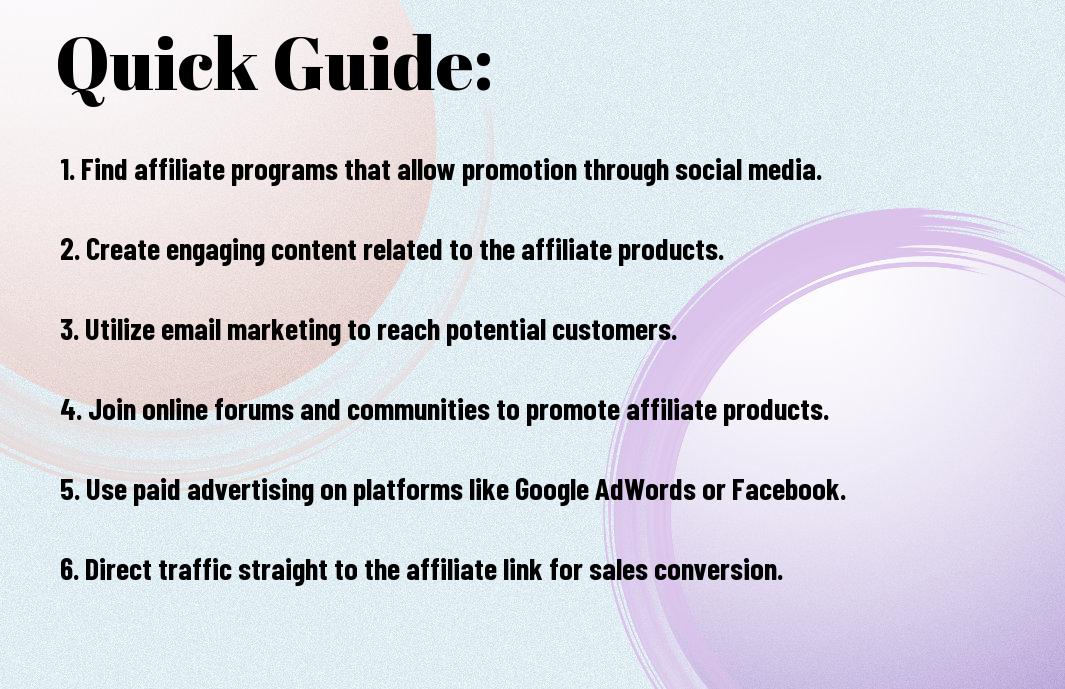
Final Words
As a reminder, yes, you can do affiliate marketing without a website by utilizing social media platforms, email lists, and other online channels to promote your affiliate links. However, having a website can provide more flexibility and control over your content and promotions. Ultimately, the choice depends on your goals and resources. Regardless of your approach, consistency, authenticity, and building trust with your audience are key to success in affiliate marketing. So, whether you choose to have a website or not, focus on providing value and building strong relationships with your audience to maximize your affiliate marketing efforts.
FAQ
Q: Can You Do Affiliate Marketing Without A Website?
A: Yes, you can do affiliate marketing without a website. There are various alternative methods such as using social media platforms, email marketing, and creating landing pages.
Q: How can I do affiliate marketing without a website?
A: You can promote affiliate products through social media platforms like Instagram, Facebook, or YouTube. You can also utilize email marketing by sending out promotional emails to your subscribers. Additionally, you can create landing pages to drive traffic and promote affiliate products.
Q: What are some effective strategies for affiliate marketing without a website?
A: Some effective strategies include building a strong social media presence, engaging with your audience through valuable content, utilizing influencer marketing, and leveraging email marketing by offering valuable incentives to your subscribers.